Exclusive travel logo

Travel photos of Mombasa Kenya


holiday resorts in Kenya
Top Kenya Guides. Mombasa - Malindi - Nyali - Watamu
main animal photos gallery page First photo Previous photo Next photo Last photo in gallery
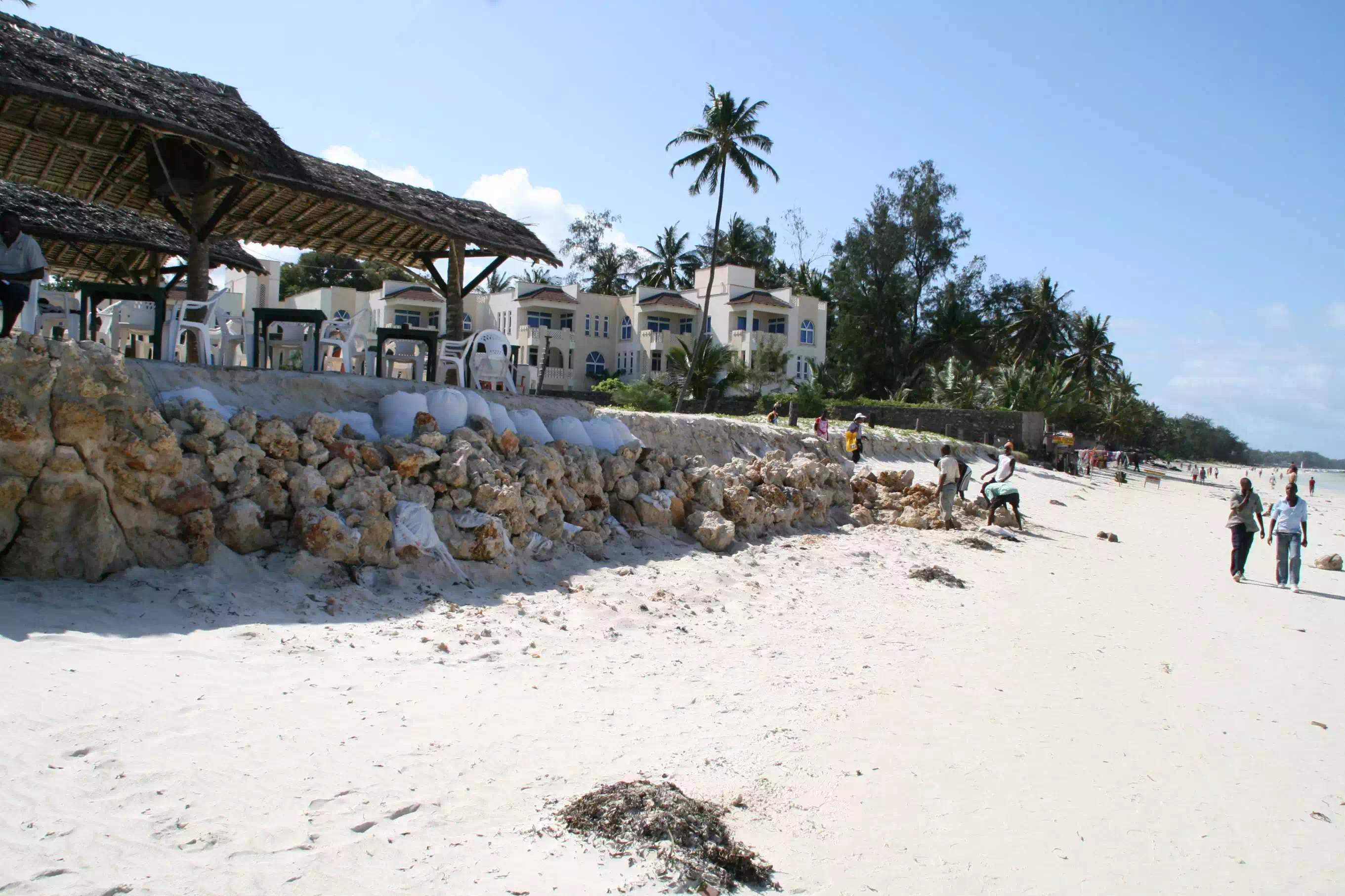
Coastal erosion Mombasa beach

Coastal erosion along the Mombasa coastline in Kenya

is a significant environmental issue with both natural and anthropogenic causes. Mombasa, Kenya’s second-largest city and an important port, faces challenges due to its location along the Indian Ocean. The coastline of Mombasa is affected by various factors that contribute to coastal erosion, impacting infrastructure, ecosystems, and local communities.

Key Factors Contributing to Coastal Erosion
Natural Factors:
Wave Action: Strong waves and tides, particularly during storms, can erode beaches and coastal landforms. The Mombasa coastline, exposed to the Indian Ocean's dynamic wave patterns, is vulnerable to this natural process.
Sea Level Rise: Global sea level rise, driven by climate change and the melting of polar ice, exacerbates coastal erosion. Higher sea levels lead to increased wave energy and higher water levels, which can erode coastlines more rapidly.
Geological Factors: The natural composition and structure of the coastline influence how it erodes. Soft sediments are more prone to erosion compared to more resistant rock formations.

Anthropogenic Factors:
Urbanization: Rapid development along the Mombasa coastline, including the construction of hotels, resorts, and other infrastructure, has altered natural coastal processes. Construction often disrupts sediment transport and can exacerbate erosion.
Coastal Development: Infrastructure such as seawalls, groynes, and jetties, while intended to protect specific areas, can sometimes lead to increased erosion in adjacent areas due to the disruption of natural sediment flow.
Sand Mining: The extraction of sand from beaches and nearshore areas for construction and other uses can remove protective sediment layers, making coastlines more susceptible to erosion.
Pollution: Pollution from land-based sources, including runoff and waste, can degrade coastal ecosystems like mangroves and coral reefs that play a critical role in protecting the shoreline from erosion.
Impacts of Coastal Erosion
Infrastructure Damage: Erosion threatens coastal infrastructure, including roads, buildings, and ports. in Mombasa, this can impact critical facilities such as the port, which is vital for Kenya’s economy.

Ecosystem Disruption: Coastal erosion can damage important ecosystems such as mangroves, coral reefs, and seagrass beds. These ecosystems provide habitat for marine life, support fisheries, and act as natural barriers against storm surges.

Economic Effects: The tourism industry, which is a significant part of Mombasa's economy, can be adversely affected by erosion. Beach erosion can reduce the appeal of coastal areas for tourists and impact local businesses that depend on beach-related activities.

Community Impact: Coastal erosion can displace local communities, particularly those living in vulnerable areas. It can lead to loss of property and livelihoods, affecting the well-being of residents.

Mitigation and Management Efforts
Coastal Protection Measures: Various measures can be taken to protect coastlines, including the construction of seawalls, revetments, and breakwaters. However, these need to be carefully designed to avoid adverse effects on neighboring areas.

Beach Nourishment: This involves adding sand or sediment to beaches to counteract erosion. It's a temporary solution but can help protect coastal areas while more permanent measures are developed.

Sustainable Development: Implementing zoning laws and regulations to limit development in vulnerable coastal areas can help reduce the impact of human activities on erosion.

Ecosystem Restoration: Protecting and restoring mangroves, coral reefs, and other natural barriers can help mitigate the effects of erosion. These ecosystems provide important protective functions and can help stabilize the coastline.

Community Engagement: Educating local communities about the impacts of erosion and involving them in coastal management efforts can enhance the effectiveness of erosion control measures.

Conclusion
Coastal erosion in Mombasa is a complex issue that requires a multi-faceted approach to address. Balancing development needs with environmental protection, implementing effective coastal management practices, and engaging local communities are crucial steps in mitigating the impacts of erosion and preserving the coastline for future generations.

Tourist guides to safaris in Kenya | Kenya Places: Malindi Mombasa Mara Masai Nairobi Watamu Nyali Shanzu | Bamburi | Kenyan Tours | Kenyan Holidays | Kenyan Guides | Kenya Immigration | Kenya Marriage | Kenyan Flights | Kenya Travel | Kenya Tourism | Kenya Bookings | Kenya Pictures | Kenyan Videos | Kenyan Restaurants | Kenyan Bars | Kenyan Beaches | Animals - Lions Tigers Baboons Elephants Cheetah Zebras Crocodiles Wildebeest | Indian Ocean Kenya. Reviews
Exclusive Travel Group on Social Media

Facebook Travel Photos luxury travel vacations Pinterest Jamaica Travel holiday travel photos Twitter Excluss Travel luxury travel holidays Daily Motion Travel Videos exclusive world holidays YouTubeTravel Videos LinkedIn Travel Excluss Travel on LinkedIn
DMCA Protection Status SiteLock ABTA
Part of Exclusive Travel Group Ltd ™. Reg Nu 16861677
Excluss. Review Tell. Flight Center. Exclusive Travel. Exclusive Safari™
Sitemap