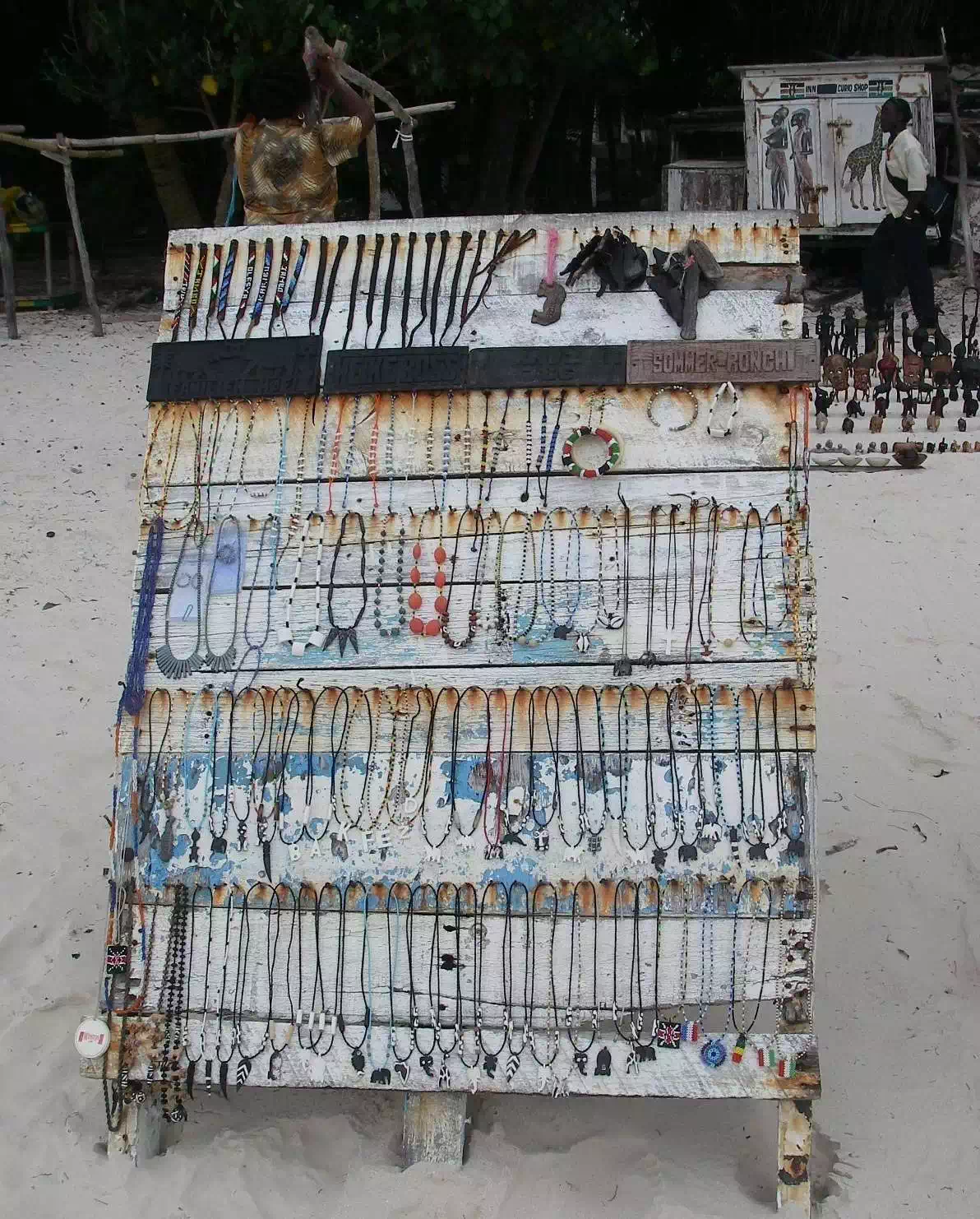
Bead Makers in Kenya: A Tradition of Artistry and Empowerment
In Kenya, bead making is more than just a craft; it's a rich tradition passed down through generations, particularly among the Maasai, Samburu, and other ethnic communities. Beads are deeply intertwined with cultural identity, used in ceremonies, as symbols of social status, and as expressions of beauty and creativity.
The Craft and Its Cultural Significance
Kenyan beadwork is known for its vibrant colors and intricate designs, often telling stories or symbolizing specific meanings. For instance, different colors of beads can represent various aspects of life, such as red for bravery, white for purity, and blue for the sky or the heavens. Beadwork is an integral part of traditional dress, with pieces like necklaces, bracelets, and headgear worn during important rituals like weddings and coming-of-age ceremonies.
Economic Impact and Women's Empowerment
In recent years, bead making has also become a significant source of income, particularly for women in rural areas. Organizations and cooperatives have been established to support women bead makers, helping them reach international markets and earn fair wages. This has provided them with economic independence and a way to support their families, while also preserving their cultural heritage.
Global Reach and Sustainability
Kenyan beadwork has garnered international attention, with pieces being sold in markets across the world. This global interest has also led to collaborations with designers and artists, blending traditional techniques with modern styles. Moreover, there is a growing emphasis on sustainability, with many bead makers using recycled materials like glass, plastic, and even old flip-flops to create their products.
Challenges and the Future
Despite its success, the bead-making industry in Kenya faces challenges such as competition from mass-produced items, fluctuating material costs, and the need for more significant investment in training and infrastructure. However, the resilience and creativity of Kenyan bead makers continue to drive the industry forward, ensuring that this vibrant tradition remains a vital part of Kenya's cultural and economic landscape.
In conclusion, bead making in Kenya is a powerful blend of tradition, artistry, and economic empowerment. As the craft evolves, it continues to connect the past with the present, providing both cultural and financial sustenance to those who practice it. |