Visitors guide to Nara:
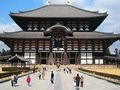 1. Todai-ji Temple
Overview: One of Japan’s most famous and historically significant temples, Todai-ji is home to the Great Buddha (Daibutsu), one of the largest bronze Buddha statues in the world.
Highlights: The Daibutsuden (Great Buddha Hall), massive wooden architecture, and beautiful temple grounds.
World Heritage Site: Yes
Tip: Don’t miss the smaller statues and sacred relics around the temple complex.
 2. Nara Park
Overview: A vast park in the heart of Nara where more than 1,000 friendly deer roam freely. The deer are considered sacred and are a symbol of the city.
Highlights: Feeding and interacting with the tame deer, enjoying the scenic landscape, and visiting nearby temples and shrines.
Tip: Purchase “shika senbei” (deer crackers) from vendors to feed the deer, but be cautious—they can be assertive!
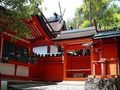 3. Kasuga Taisha Shrine
Overview: This ancient Shinto shrine is famous for its thousands of stone and bronze lanterns, which line the paths and are illuminated during special festivals.
Highlights: Lantern-lined walkways, beautiful gardens, and the Kasuga Primeval Forest nearby.
World Heritage Site: Yes
Tip: Visit during the Lantern Festivals (Setsubun in February and Obon in August) to see the lanterns lit up.
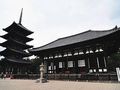 4. Kofuku-ji Temple
Overview: A key temple in Nara’s history, Kofuku-ji is known for its iconic five-story pagoda, which is the second tallest in Japan.
Highlights: The five-story and three-story pagodas, National Treasure Museum with exquisite Buddhist art, and peaceful temple grounds.
World Heritage Site: Yes
Tip: Visit the museum to see national treasures, including ancient Buddha statues.
 5. Nara National Museum
Overview: A museum dedicated to Buddhist art, housing one of the largest collections of religious artifacts in Japan.
Highlights: Buddhist statues, ancient scrolls, and religious relics from Nara’s historical temples.
Tip: Check out the annual exhibition of sacred treasures from Todai-ji Temple in October and November.
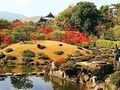 6. Isuien Garden
Overview: A traditional Japanese garden known for its exquisite landscaping and views of Todai-ji Temple’s Nandaimon Gate and Mount Wakakusa in the background.
Highlights: Beautifully manicured gardens, ponds, and teahouses that offer a relaxing stroll through nature.
Tip: Combine your visit with a stop at nearby Yoshikien Garden, which is free for foreign tourists.
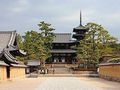 7. Horyu-ji Temple
Overview: Located just outside of Nara, this temple complex is the world’s oldest wooden structure, dating back to the 7th century.
Highlights: The five-story pagoda, ancient wooden buildings, and historical artifacts.
World Heritage Site: Yes
Tip: Explore the Gojunoto (five-story pagoda) and Kondo (main hall), which are among the world’s oldest wooden buildings.
 8. Mount Wakakusa
Overview: A small mountain located east of Nara Park, offering panoramic views of the city and surrounding countryside.
Highlights: Hiking trails, seasonal cherry blossoms, and the annual Wakakusa Yamayaki (mountain burning) festival in January.
Tip: Hike to the top for a stunning view of the Nara cityscape, especially during sunset.
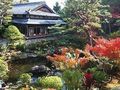 9. Yoshikien Garden
Overview: A beautiful garden featuring three distinct styles—pond garden, moss garden, and tea ceremony garden.
Highlights: Traditional Japanese landscaping, peaceful atmosphere, and seasonal colors.
Tip: Entrance is free for foreign visitors, making it an excellent stop after Isuien Garden.
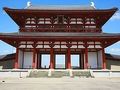 10. Heijo Palace
Overview: Once the Imperial Palace during the Nara period (710–794), the Heijo Palace Site is a large archaeological site that recreates the grandeur of the ancient capital.
Highlights: The Suzaku Gate, historical exhibitions, and seasonal events that recreate Nara period ceremonies.
World Heritage Site: Yes
Tip: Visit the reconstructed Daigokuden Hall and explore the museum to learn more about Nara’s imperial history.
Nara's attractions provide a perfect mix of historical, cultural, and natural beauty, making it a must-visit destination for those interested in Japan's ancient past.