UK Health and Fitness Retreat Holidays: A Guide
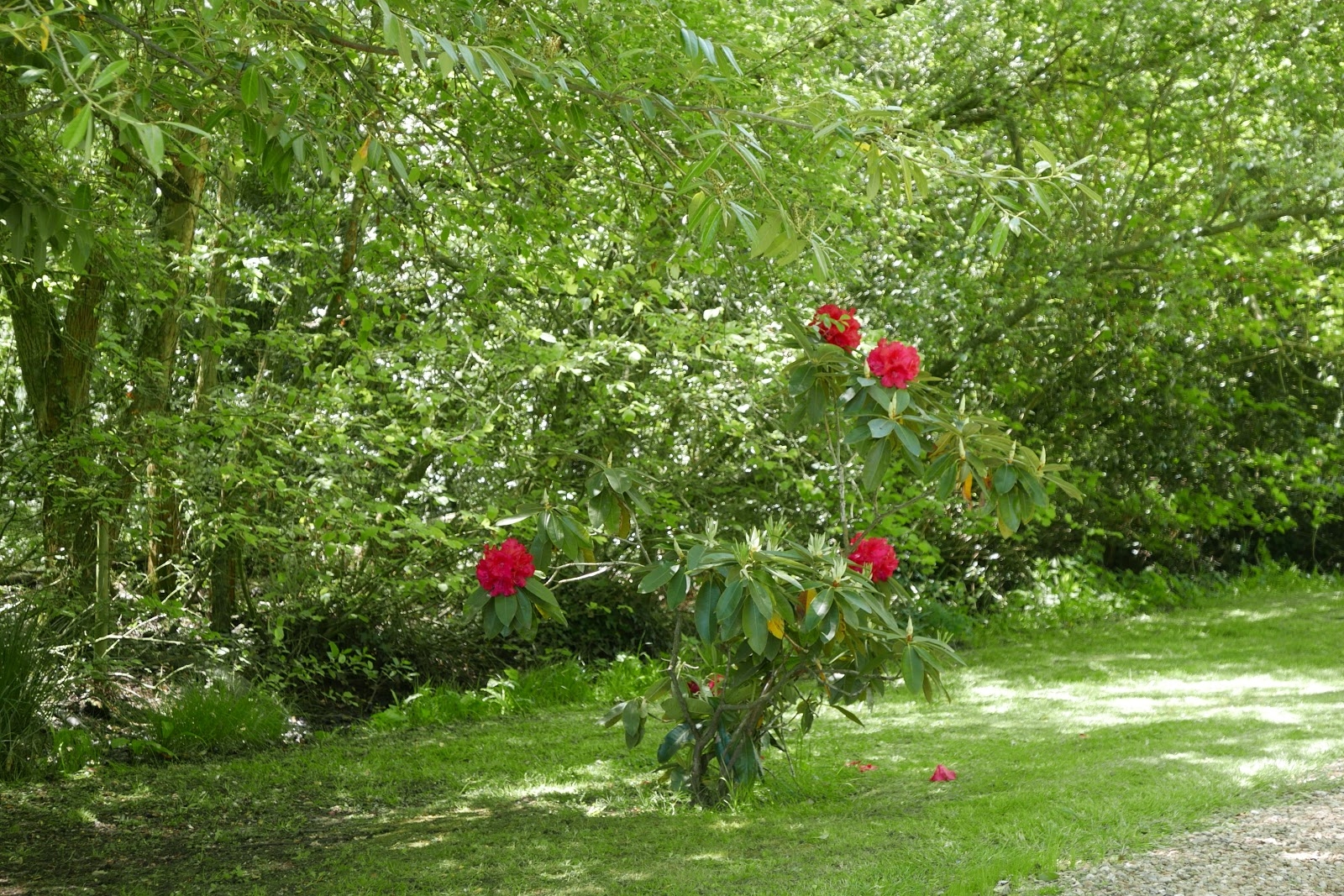
The health and fitness retreat market in the UK has grown from a handful of specialised centres into a nationwide network of country-house hotels, converted farmsteads and coastal lodges offering structured programmes that run from a single weekend to a fortnight. Most sit within two hours of a major city, so the journey there doesn't undo the good intentions before the first stretch class. Exploring health and fitness retreat holidays in UK is now less about finding one and more about choosing between them.
Why Britain works for this kind of break
The geography does a lot of the work. A retreat in the Lake District can put guests on a fell path within ten minutes of breakfast, and one on the Norfolk coast has a beach that runs for miles without a molehill in sight. Unlike resort-based programmes abroad, where the day often has to be built around heat and transport, a British retreat can fold walking, cycling and cold-water swimming into ordinary daylight hours. Most guests are British, and the register of the place follows: waterproof jackets everywhere, very little performance.
Costs vary enormously. A three-night weekend at a mid-range country house retreat with full board, daily classes and one treatment typically lands between £600 and £950 per person, while a five-night programme at a specialist fitness centre with one-to-one coaching, movement screening and nutritional consultations can reach £1,800. Cheaper options exist through hostel-based walking weekends from around £250. The disparity isn't always reflected in quality. Some of the most thoughtfully run places charge mid-range prices and simply don't have a spa to shout about.
What a typical day actually looks like
Programmes differ, but the structure is surprisingly consistent. Mornings tend to start early, often with something gentle before breakfast: yoga on a studio floor, a guided walk, or a mobility session that most guests initially resist and later admit was the right call. Breakfast usually follows, and it's here that retreats reveal their philosophy. Some serve porridge, eggs and fruit with no ceremony. Others put on a full spread and trust guests to make sensible choices.
Mid-morning through early afternoon is where the real work happens. This might mean circuit training, hill walking, paddleboarding on a sheltered lake, or a couple of hours of strength work in a converted barn. Lunch is generally substantial, because the afternoon often involves more movement. Evenings wind down with restorative yoga, a talk from a visiting physiotherapist, or nothing at all. That empty final slot is the one some guests find hardest.
Check how much of the day is scheduled versus optional. A retreat that fills every hour can feel like a residential course rather than a holiday, and the difference matters if you're going with a partner whose enthusiasm runs at a different temperature to yours.
Fitness retreats versus wellbeing retreats
The two are often lumped together, and they're not the same thing. Fitness retreats are built around measurable output: sessions logged, distances covered, technique corrected. Wellbeing retreats lean towards sleep, stress and digestion, with yoga, massage and quiet. Plenty of venues now try to offer both, with mixed results, because a guest who wants to be pushed through a hill sprint and a guest who wants to sit in silence with a herbal tea have incompatible needs at 7am.
Ask before booking what proportion of guests are repeat visitors. A high number usually means the programme suits the people it attracts, which tells you more than any brochure. Ask, too, whether sessions are streamed by ability. Being the slowest person in a room, with no alternative on offer, is a reliable way to sour a weekend.
Group sizes tend to be small at the specialist centres, often eight to fourteen, and larger at hotel-based retreats, where forty guests cycling through a timetable is normal. Neither is better; they're just different atmospheres.
Reputable centres publish the qualifications of every practitioner they employ.
Locations worth considering
The Lake District and the Yorkshire Dales remain the strongest options for walking-led programmes, with the added advantage that the terrain provides natural interval training whether you planned it or not. The Cotswolds suit gentler retreats: big houses, long gardens, villages close enough to wander into on a rest afternoon.
Coastal venues in Cornwall, Pembrokeshire and Northumberland have built programmes around cold-water swimming, coasteering and cliff paths. The sea temperature in early summer hovers around 14°C, which sounds manageable and isn't, quite, until the third morning. Scotland has a growing number of retreats on estates near Pitlochry and in the Cairngorms, where the walking is serious and the midges are seasonal.
Closer to London, the Chilterns and the Surrey Hills host a cluster of shorter breaks aimed at people who can't take a full week. A two-night reset with three classes a day and a long Saturday walk is a common format, and it works well for a first attempt.
What to look for before booking
Start with the timetable, not the photographs. A schedule that lists class types and durations tells you whether the day is built for someone who already trains or someone who wants to begin. Then check the qualifications of whoever is leading. Reputable retreats name their practitioners and mention certifications, and a quick search usually confirms whether the person teaching three sessions a day has the background to do it.
Accommodation deserves scrutiny too, since a lot of these places are older buildings with thin walls and shared bathrooms. Neither is a problem if you know in advance. Ask which room category you're booking and whether the price includes all meals, treatments and transfers from the nearest station.
- Check whether the advertised price covers every session or just the core timetable
- Confirm the cancellation terms, which at specialist centres can be stricter than hotel standard
- Ask how many guests share each instructor
- Find out whether alcohol is served, discouraged or absent
- Look for an arrival time that doesn't force an overnight stay beforehand
Several retreats require a health questionnaire and a brief phone call before confirming a place, particularly where the programme includes cold immersion or long walks. It's a sensible filter rather than a hurdle.
Making the most of it
Arrive with an open schedule and a managed expectation. The guests who get the most out of a few days away are usually the ones who accept that they'll be tired by the second afternoon and resist the urge to attend everything. Rest is part of the programme, even when it isn't printed on the sheet.
Bring more layers than you think you need, particularly for early outdoor sessions in spring and autumn. Bring a refillable bottle, and a notebook if you're the sort who forgets every piece of advice by the drive home. And leave the laptop, or at least leave it in the bag. A retreat works partly by removing choice, and a screen quietly puts some of it back.
Equally, don't treat the week as a penance to be endured before normal life resumes. The best of these places send people home with a routine they can actually keep up, which is usually less ambitious than the one they arrived with.
How to choose between them
It comes down to three questions. What do you want to be doing at eleven in the morning? How much structure can you tolerate? And how far are you willing to travel for it? Answer those honestly and the shortlist shrinks fast.
First-timers often do best with a two or three-night stay at a mid-range venue with a mixed timetable, which lets them test whether they enjoy structured movement in company before committing to a longer programme. Regular exercisers tend to prefer the specialist centres, where coaching is tighter and the group is smaller. Anyone recovering from injury or managing a long-term condition should speak to the venue directly, and expect some to decline.
There's a version of this break that's essentially a spa hotel with a yoga class bolted on, and a version that's essentially a training camp with decent food. Most of what's on offer sits between the two. Finding out which side a particular place leans towards takes a phone call, not a booking form.
Prices for the same venue often shift by £150 between a midweek and a weekend slot, so flexibility helps. So does booking direct: several retreats hold back places for enquirers who ring rather than click.
The car park at one Shropshire venue is a converted walled garden, and its gravel gives way underfoot in a way that makes a suitcase wheel useless.