Exploring Porto, Portugal Holidays: A Practical Guide
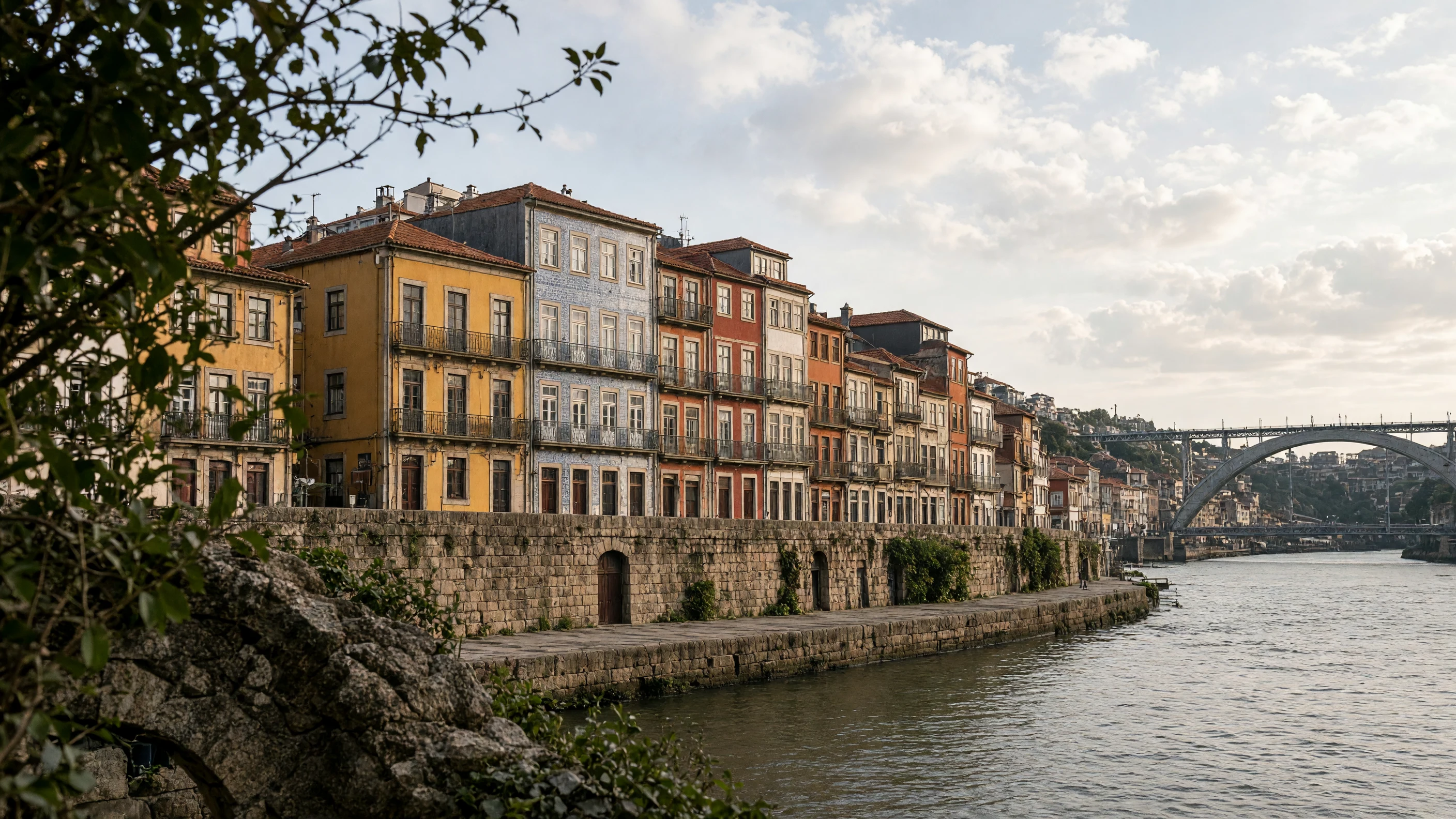
You arrive at Campanhã station and the first thing you notice is the tiles, blue and white, going up the wall behind the ticket machines like something lifted from a church. The second thing is the noise of the taxi rank outside. Exploring Porto on foot starts badly if you're carrying a big case, because the pavements around the station are uneven and the cobbles have gaps wide enough to catch a wheel. Drag it anyway. It gets easier once you're past the ring road and into the grid of streets running down towards the river.
Most people book three nights and wish they'd booked four. I'd say five is closer to right if you want to do the Portugal holidays thing properly without spending every afternoon on a bus. The city is small enough to cross in forty minutes, but it's steep, and steepness eats time.
Getting your bearings, badly at first
There's no sensible way to learn the layout of Porto except by getting it wrong. You'll walk down to the Ribeira, admire the river, then realise you have to walk back up and the street you chose ends in a wall of granite stairs with no handrail. This happens to everyone. Do it once, complain, then buy a two-day metro card for about €8 and use the funicular when your knees have had enough.
The historic centre sits on one side of the Douro and Vila Nova de Gaia on the other, which sounds obvious until you've crossed the Luís I bridge twice in one morning without noticing. The top deck carries the metro and pedestrians. The bottom deck carries traffic and a lot of tourists taking photographs in the middle of the road. Use the top.
São Bento station is worth ten minutes even if you're not catching a train. The vestibule is lined with twenty thousand or so azulejos, I think the figure is nearer twenty-two thousand, showing battles and rural scenes, and there's usually somebody crying quietly at the beauty of it or, more often, arguing about a suitcase. Both are fine.
Cobbles, hills, and a river at the bottom. That's the whole geography. Everything else is detail.
What to actually do with your days
Start with the Clérigos tower if you want the view, and skip it if you don't fancy 240 steps in a stone spiral with no passing place. I went up and came down with a shoulder bruised from the wall. There's no lift and no bench at the top, just a narrow balcony and a lot of people wanting the same photograph. The view over the red roofs to the river is genuinely good. Whether it's worth the climb depends on your tolerance for queues on stairs.
Better, and free, is the walk along the river from the Ribeira towards the mouth, past the old warehouses and the little fish restaurants where the menu is chalked on a board and nobody speaks English. You'll pass the odd stray cat and a lot of drying laundry. It takes about half an hour at a stroll, longer if you keep stopping. Take the tram back if you've had enough: line 1 runs along the water and the fare is around €3.50 if you buy on board, less with a card.
Livraria Lello is the famous bookshop, and it is now a ticketed attraction with a queue that wraps around the corner by half past nine. You can redeem the ticket price against a book, which softens it. The staircase is lovely. It's also full of people holding phones above their heads. Go at opening or don't go.
The port lodges across the river in Gaia are set up for visitors and the tours are short, maybe forty minutes, ending in a tasting of two or three glasses. Prices cluster around €15 to €20. You'll be steered towards the bigger names, which is fine, though the smaller lodges up the hill are quieter and the pours are more generous. Book the last tour of the afternoon and walk back over the bridge at dusk, when the river turns a flat brown-grey and the seagulls get loud.
If you have a rainy day, which you will, the Soares dos Reis museum on the edge of the old town costs about €5 and is nearly empty. I couldn't tell you much about the sculpture on the ground floor. There was a room with a lot of dark paintings and a guard who nodded off in a chair, and I sat on a bench for twenty minutes doing nothing at all, which turned out to be the best part of that afternoon. The café downstairs does a decent sandwich.
Eating, and the one thing that will annoy you
Francesinha is the local sandwich: thick bread, ham, sausage, steak, covered in melted cheese and drowned in a beer and tomato sauce, served with chips. It costs €10 to €14 and it is a lot of food. Order one between two if you're sensible. I wasn't, and spent an hour afterwards on a bench in the Jardim das Virtudes feeling sorry for myself while a man played a guitar badly and a dog stared at me.
Better to graze. A bifana, the little pork roll, costs €2.50 at most counters and is the best value in the city. Grilled sardines in the Ribeira run €8 or so a plate, and the fish is often landed that morning. The Bolhão market has been done up and now has a food court upstairs with a glass of wine for €4 and a view over the stalls below. It's a bit polished for my taste, but the produce downstairs is real.
Here's the annoyance: the tourist menus. Half the restaurants within a hundred metres of the river sell the same laminated sheet with a photograph of a seafood platter and a price in three currencies. The food arrives lukewarm and the bill has a cover charge you weren't told about, usually €2 or €3 per person for bread and olives you didn't ask for. Walk two streets inland and the menus lose the photographs and the food gets better. That's the whole trick.
Coffee is served in small cups and is strong enough to make you sit up. It's called a bica in Lisbon and a cimbalino here, and asking for a latte gets you a look. Pastel de nata, warm, dusted with cinnamon, €1.20 at most bakeries. You'll eat more than you planned.
Porto on a budget, and where it gets expensive
Accommodation is the variable. A double room in a guesthouse in the Cedofeita area runs €70 to €90 a night in spring and climbs steeply in July. Hotels near the river charge double for the view and the noise, and you get both. The metro from the airport takes about thirty minutes and costs €2.50 including the rechargeable card, which is a bargain compared with the €25 to €30 a taxi will set you back.
You can eat well for €20 a head if you eat late. Lunch is cheaper, and the prato do dia, a soup, a main and a coffee, is often €8. Port tastings add up if you do three in a day. Pace yourself, drink the water they bring without asking, and remember that the glasses in the tasting rooms are smaller than they look.
Museums are mostly cheap or free on Sunday mornings. Churches are free, though the one at the top of the Clérigos steps charges €1 to see the cloister, which felt petty after the queue. The Serralves foundation, out past the edge of the centre, charges around €20 for the park and galleries together and is worth an afternoon if the weather holds. The gardens alone take an hour.
Day trips and the coast
The tram to Foz do Douro takes twenty minutes and drops you at the seafront, where the Atlantic is cold, the wind is constant, and the little cafes sell grilled fish and cold beer. It's a different city out there, quieter, with families and dog walkers and a promenade wide enough that nobody has to move aside. Go on a weekday if you can.
Further afield, the train to Guimarães takes about an hour and costs €3.50 each way. The old town is a single square and a castle and a lot of cobbles, and you can see it in half a day. Braga is similar in distance, with a cathedral and a famous staircase, the Bom Jesus, that pilgrims climb on their knees. I took the funicular up and walked down and my legs ached for two days.
The Douro valley is the one everybody wants, and it's worth it, but the train is slow and the wine estates are spread out and you'll want a driver. A day tour from Porto costs €70 to €100 and includes lunch and two tastings. That's not cheap. It is, on balance, the easiest way to see the terraces without spending four hours on a bus timetable that doesn't fit your plans.
Practical things I got wrong so you don't
Don't buy a three-day transport card on your first morning unless you've worked out what you're actually doing. I did, used it twice, and walked everywhere else out of stubbornness. The streets are made for walking and the card sat in my pocket unused.
Wear shoes with grip. The pavements are polished by a century of feet and the rain makes them treacherous, and the tram tracks are worse. Bring a light raincoat rather than an umbrella, because the wind coming off the Atlantic turns umbrellas inside out and leaves you holding a bent frame.
Book ahead for the Livraria, the port lodges and anywhere you want to eat on a Friday or Saturday. Otherwise you'll stand in a doorway at nine o'clock looking at your phone while a waiter apologises. The city is not short of restaurants, but the good ones fill up, and the ones that don't are often empty for a reason.
Learn five words of Portuguese. Bom dia, obrigado, desculpe. People switch to English the moment they hear your accent, but the attempt is noticed and the service gets warmer. Tipping isn't expected, though rounding up the bill is normal and appreciated.
One last thing. The city is hilly enough that a fifteen-minute walk on the map can take forty minutes on the ground, especially with a bag and a bad attitude. Plan two big things a day, not five. Leave the afternoons open. Sit in a square with a coffee and watch the old men play cards and the pigeons argue over a crust, and count that as a thing you did.
On the last morning, I bought a small glazed tile from a shop near the cathedral, blue with a pattern of swallows, and wrapped it in a sock for the flight home because there was no bubble wrap in the shop. It cost €4. It's on my kitchen windowsill now, slightly chipped at one corner.
Further reading: Porto on Wikipedia.