Exploring Holidays in Kos, Greece: A Travel Guide
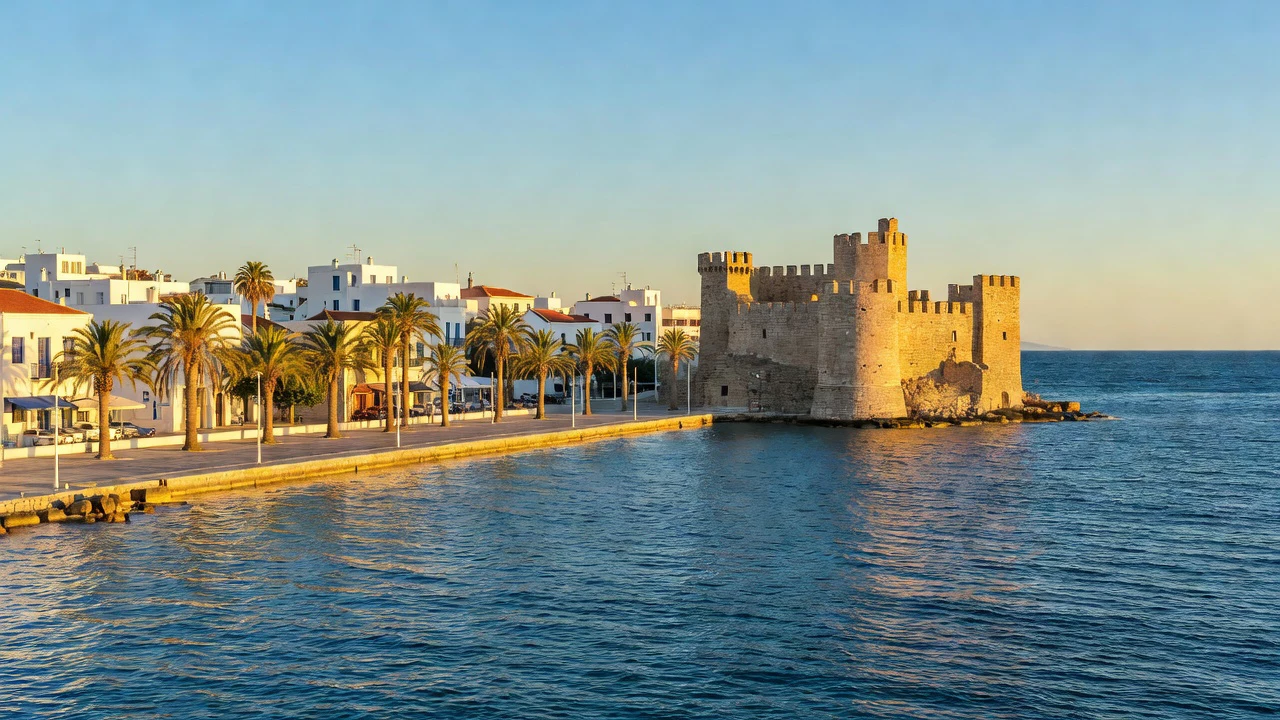
The ferry from Bodrum takes about fifty minutes to reach Kos Town, and most of the passengers are asleep by the halfway point. The island is the third largest in the Dodecanese, close enough to the Turkish coast that on a clear morning you can count the white boxes of Bodrum's houses from the harbour wall. Exploring holidays in Kos, Greece tends to start here, in a town where the medieval castle, a Roman site and a plane tree said to be where Hippocrates taught sit within ten minutes of each other.
That compression is the appeal. Kos is small: 290 square kilometres, about 112 kilometres of coastline, and a road network you can learn in a day. You don't need a car for the first three days. Bicycles cost around €8 a day along the seafront strip, and the town is flat enough that the only real hazard is the heat at two in the afternoon.
What the south coast actually offers
Kardamena sits about 30 kilometres from the capital and has the loudest strip on the island. It's fine if you want it. Families tend to drift 12 kilometres further west to Mastichari, where the beach is wider, the water shallower and the wind persistent enough that windsurfers outnumber swimmers by mid-morning. The sand there is coarse and grey, and it ends up in the hire car's footwells, which the rental company will notice and charge €25 for.
Further down, Kefalos marks the end of the line. The drive takes under an hour from the port, and the last stretch runs through hillsides covered in thyme and scrub. Below the village, the beach at Kamari stretches for a couple of kilometres with a handful of tavernas behind it. Sunbeds with an umbrella run about €12 for two, and nobody much chases you if you set a towel down instead.
Ancient sites without the queue
The Asklepion, three kilometres inland from town, is the island's headline ruins and a UNESCO tentative site. Arrive before half nine and you'll have the terraces to yourself. The site is on three levels, and the upper one holds what's left of a temple with a view across to the Turkish hills. The €8 entry includes the small museum, which is worth 20 minutes and no more.
Elsewhere, the ruins are quieter. The Roman Odeon sits five minutes' walk from the harbour in Kos Town, unfenced, free, and often completely empty. The Casa Romana, a restored villa with mosaic floors, costs €6 and takes about as long to see. The ancient agora is a field of broken columns with a fig tree in the middle, and you can walk through it in sandals without anyone asking for a ticket.
There's a small archaeological museum near the port, though I'm not certain it keeps the same afternoon closing hours it did on my first visit. A sign on the door listing winter hours suggests it might not.
Exploring holidays in Kos, Greece beyond the beach
Inland, the island changes character fast. The road up to Zia climbs through vineyards and comes out at a village of stone houses and a handful of tavernas with terraces facing west. Sunset there is the main event, and by six the coach parties arrive. Go at four for a coffee instead, when it's still quiet and the light is ordinary.
The thermal springs at Agios Fokas, a few kilometres east of town, are a sulphur pool that smells exactly as you'd expect. People swear by the mud. It costs nothing, there's a changing hut, and the rocks are slippery enough that you should watch your footing. The beach beside it is pebbly and the water gets deep quickly.
For a different sort of afternoon, the Antimachia windmill and the abandoned village of Palio Pili are both free and both take less than an hour. The village was evacuated after an earthquake in 1933 and most of the houses are roofless shells with wild fig growing through the doorways. It's quiet there and there's a small chapel at the top still in use.
What else? The island makes a decent base for day trips by boat to Nisyros, the volcanic island an hour south, though the crossing is choppy on a northerly and the crater walk is hot and shadeless. It's worth it for the fumaroles and the strange, pale ground underfoot. Take water and don't wear flip-flops.
Eating, sleeping and getting about
Food prices are gentler than the Cyclades. A plate of grilled octopus runs €12 to €15 on the seafront, less in the back streets where the tables face a car park. The local specialities are worth knowing: pitaridia, a baked pasta dish with cinnamon, and a hard sheep's cheese called krasotyri that comes with a splash of olive oil. Breakfast is usually yoghurt and honey, and the honey is dark and strong and comes from hives on the slopes above Kefalos.
Accommodation splits roughly into three camps. Kos Town has the mid-range hotels and the nightlife; the south coast has the resorts with pools and all-inclusive buffets; and the back roads have small family-run places with ten or twelve rooms and a vine-shaded courtyard. I'd choose the third. The trade-off is that you'll need a car or a willingness to wait for the bus, and the buses are infrequent past nine in the evening.
Booking ahead matters in July and August, when the island takes on roughly three times its winter population. June and September are the sensible months: warm sea, room to move, and prices perhaps 30 per cent lower than high season.
What to expect from the weather and the crowds
Summer heat on Kos is serious. July and August regularly hit 35C by midday, and the meltemi wind, which sounds refreshing, mostly just moves the hot air around. Shops close between two and five, which seems quaint until you need a pharmacy. Plan mornings and evenings, and spend the middle hours in the sea or asleep.
The main beaches get busy by eleven. If that's a problem, the north coast has quieter stretches, and the beaches around Tigaki and Marmari are long enough that you can walk ten minutes from the car park and find space. The salt lake behind Tigaki draws flamingos in spring, which nobody mentions in the summer brochures for the obvious reason that they've gone.
One annoyance, stated plainly: the stray cats are everywhere, and the ones at the castle are bold enough to climb onto your table before you've finished. Some people find this charming. The taverna owners don't.
Getting there and getting around
Flights land at Hippocrates Airport, 25 kilometres southwest of the capital. The airport is small enough that baggage reclaim takes about fifteen minutes. A taxi into Kos Town costs a flat €35, which is steep, and the local bus takes 40 minutes and costs €4.50. If you're staying on the south coast, hire a car at the airport rather than in town; tiny engines handle the hills better than you'd think, and the driving is calm once you're clear of the port.
Ferries from Bodrum run daily and carry day-trippers across. A day return costs around €25 and the border formalities at each end are straightforward, though you'll want your passport stamped and no more than a small bag.
The island is small enough that you can see most of it in a week without rushing. Two days in town, two on the south coast, two for the inland villages and a day for a boat trip will do. Anything more and you'll spend half of it in the car, which is a waste of a place where the best afternoons usually involve nothing more ambitious than a swim and a nap.
About 33,000 people live on Kos year-round, and most of them work in tourism or farming. The grape harvest comes in early September, and the vineyards above Zia are busy for a fortnight.
Further reading: Kos on Wikipedia.