Exploring Farm Holidays in England: A Practical Guide
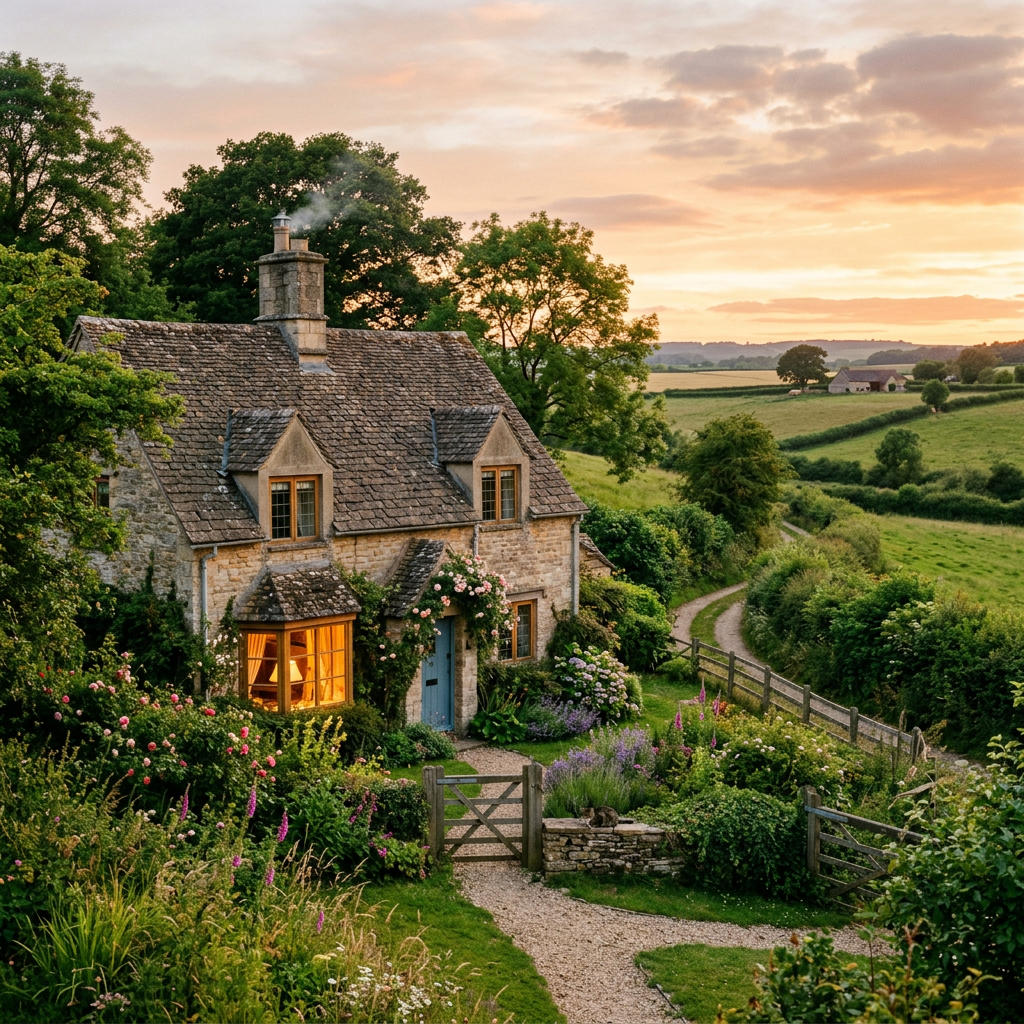
You wake at half six to the sound of a gate being unlatched and a dog deciding, at some length, that this is worth announcing. The bedroom window is single glazed and there's a tin of shortbread on the sill that the owners left with a note about the kettle. Exploring farm holidays in England tends to begin like this: not with a reception desk, but with a mug already out and a discussion about whether you're the sort of person who wants to help move the ewes.
Farm accommodation in this country has changed a good deal since the years when a spare converted barn came with a drip and a shared bathroom. There are now around 1,200 working farms offering some form of stay, from a room over the dairy to a four-bedroom cottage with a wood-fired hot tub and a coffee machine that requires a small induction. The good ones share a quality that's hard to fake: the farm is still a farm.
What exploring farm holidays in England actually involves
Start with the distinction that matters. A farm stay is a stay on a farm that earns its living from the land, which means animals, machinery, early starts and a certain amount of mud, none of which is staged for your benefit. A farmhouse B&B may have sold the last of the cattle in 1998 and kept the name. Both can be lovely. Only one lets you watch a TB test.
If you're travelling with children, the arithmetic of the day changes entirely. Breakfast, then a supervised feed round at nine, then nothing booked until lunch, because the feeding round will take forty minutes and the children will want to do it again. You get used to the schedule. You've booked three nights and by the second morning you've stopped checking your phone at the table.
- Working farms with daily animal rounds: expect £110 to £180 per night for a family of four, often with breakfast
- Self-catering cottages on farmland: £600 to £1,100 for a week in shoulder season
- Farm campsites with proper washrooms: £28 to £45 per pitch per night
- Rare-breeds farms offering guided walks: usually included with the room
That third category deserves more than a footnote. The best farm campsites in Devon, Herefordshire and the Yorkshire Dales have moved well beyond a tap and a field. You'll find hot showers, a covered washing-up area, fire pits for hire at four pounds a night and a small honesty shop selling eggs, bacon and logs. Some have a heated drying room, which sounds indulgent until you've spent a wet afternoon on a coastal path.
The farming calendar does most of the marketing for these places. Lambing in March and April draws families who want to bottle-feed a cade lamb and will happily pay for the privilege. Haymaking in late June and July offers the chance to ride on a trailer, which is more fun than it ought to be. Apple pressing in October fills a weekend in Somerset or Kent. None of this is arranged for your amusement. It happens because it has to happen, and you're welcome to watch.
The best farm stays leave you standing at the edge of a working day that carries on around you.
Where to look, and what to ask before you book
Cumbria and the Yorkshire Dales dominate the search results, and deservedly so, but the prices follow the demand. East Anglia is the quieter choice: Suffolk and Norfolk have a high concentration of arable farms with converted steadings, big skies on the doorstep and a run of good pubs within cycling distance. The Welsh borders, around Ludlow and Presteigne, combine livestock farms with some of the best small food producers in the country. I'm fairly sure the concentration of farm stays near Ludlow is higher than anywhere else in England, though I haven't counted them all.
Ask three questions before you commit. Is the farm currently working, and if so what's happening on the date you'd arrive? Some places fall quiet in winter and the animals are indoors, which changes the experience considerably. Is the animal round included, or is there a separate charge? It's usually included, but you should check. And how far is the nearest pub on foot, along which road? The answer to that last one tells you more about the setting than any photograph.
The farmhouse breakfast remains the great unifier of this whole category. Sausages from the farm's own pigs, eggs from the shed, bread from a bakery eleven miles away, and a pot of tea that gets replaced without asking. It's the same breakfast whether the room costs £95 or £250, which is something worth knowing when you're weighing up where to spend. The difference in price buys space, views and silence, not better bacon.
Here's a piece of advice that has served me well. Book the middle of the week if you can. Farm stays fill at weekends with families and the animal rounds get crowded, and a Tuesday morning in April with eight people and a bucket of feed is a different and better experience. Rates drop by fifteen to twenty per cent too, which helps.
Not everything runs to schedule. On a farm in Herefordshire last spring, the lambing shed was closed to visitors for two days because a ewe had taken against the arrangement and the farmer wasn't inclined to argue with her. We spent the time walking the footpaths and eating cake in a village hall. It's a fine way to spend a morning. The farmer apologised twice, which wasn't necessary, and once more at breakfast, which was.
Getting there and getting around
A car makes all the difference. Farm stays tend to sit a mile or two down single-track lanes, and the bus that serves the nearest village may run twice a day and not at all on Sundays. You can do the whole thing by train if you pick a farm within walking distance of a station, and there are more of those than you'd think, particularly along the Settle to Carlisle line. But the pleasure of this kind of holiday lies in the unplanned detour, and you need wheels for that.
Pack for the ground rather than the weather. Wellington boots are usually provided in a range of sizes, but they're shared and the pairs don't always match, so bring your own if you're fussy. A waterproof coat is essential in any month. So is a torch, unless you enjoy navigating a farmyard at eleven at night with your phone.
Consider the season deliberately. Spring gives you lambs, bluebells and changeable weather. Summer gives you long evenings and higher prices. Autumn is the connoisseur's choice: harvest, apple pressing, misty mornings and rates that have come back down. Winter is quiet and cheap, and the farm still has to feed the animals at seven in the morning, whatever the temperature. Watching someone else do that from a warm kitchen is one of the small pleasures of the whole business.
A note on dogs. Many working farms welcome them in self-catering cottages but not in the farmhouse itself, and there's usually a surcharge of £20 to £30 a week. Ask before you book, and don't assume. The same goes for pushchairs and very small children around livestock: some farms have a minimum age for the animal rounds and others simply ask you to keep your distance from the ewes in late pregnancy.
The appeal of this kind of trip isn't scenery, though there's plenty of that. It's the chance to spend a few days adjacent to work that's older and more necessary than your own, and to be reminded that milk doesn't start in a plastic bottle. You'll come home with mud on your boots and a child who can now tell a heifer from a bullock. That's worth more than a hotel with a spa.
Somewhere around two-thirds of the farms offering accommodation are members of a national accreditation scheme, which inspects them annually for cleanliness, safety and the accuracy of what they advertise. It's a useful filter when you're comparing a dozen similar listings. The rest operate independently and are often just as good, which makes the whole thing a matter of reading the reviews carefully and trusting your instinct about the photographs.
One last thing, and it's the sort of thing that only becomes obvious once you've done it. You'll want to be back outside after dinner. The yard goes dark early, the animals settle, and the only sound is the boiler and the wind in the sycamore. People who live on farms stop noticing this after a while. You won't, not for three nights.
There's a bench by the top gate at one place in the Peak District, a plank on two stone blocks, facing west. It's been there about forty years and nobody's painted it since.